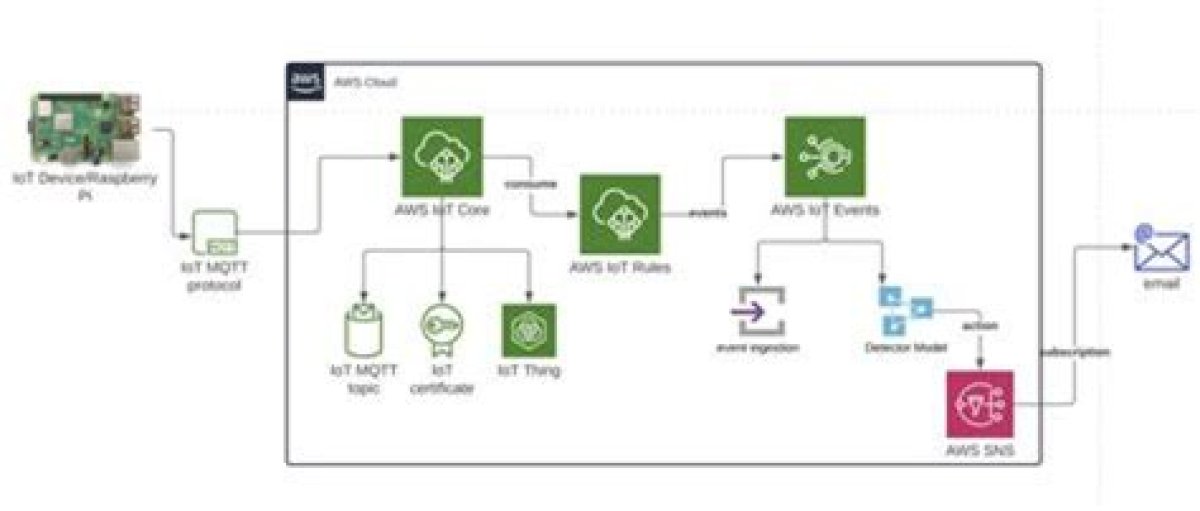
Remote IoT platforms have become indispensable tools for developers, engineers, and hobbyists working on Internet of Things (IoT) projects. Whether you're managing sensors, automating smart home devices, or building complex industrial solutions, having access to a reliable, free remote IoT platform is crucial. This article will explore the concept of free remote IoT platforms, how to set up SSH keys for secure communication, and their integration with Raspberry Pi. Whether you're a beginner or an experienced developer, this guide will provide you with the knowledge and tools needed to enhance your IoT projects.
With the rapid advancement of IoT technology, more people are looking for cost-effective ways to manage their projects remotely. A free remote IoT platform offers an excellent solution, enabling users to control and monitor their devices without incurring high costs. By leveraging SSH keys, you can ensure secure communication between your Raspberry Pi and the remote server, safeguarding your data and privacy.
This article will delve into the specifics of using free remote IoT platforms, configuring SSH keys, and integrating these solutions with Raspberry Pi. We'll also discuss best practices, potential challenges, and how to overcome them. By the end of this guide, you'll have a comprehensive understanding of how to set up and optimize your IoT projects effectively.
Understanding Free Remote IoT Platforms
What is a Free Remote IoT Platform?
A free remote IoT platform refers to a software solution that allows users to manage and monitor IoT devices remotely without any subscription fees. These platforms typically offer a range of features, including data visualization, device management, and real-time monitoring. Popular options include platforms like ThingsBoard PE, Node-RED, and Cayenne, all of which provide robust functionalities for IoT enthusiasts.
Key benefits of using a free remote IoT platform include:
- Cost-effectiveness: No recurring subscription fees.
- Scalability: Most platforms allow you to add more devices as your project grows.
- Community Support: Many platforms have active communities that provide tutorials, forums, and support.
Why Choose a Free Remote IoT Platform?
Selecting a free remote IoT platform can significantly reduce project costs while providing access to advanced features. These platforms are ideal for hobbyists, small businesses, and educational institutions that want to explore IoT without committing to expensive commercial solutions. Additionally, they often come with open-source support, enabling users to customize and extend their functionality.
Some of the reasons to choose a free remote IoT platform include:
- Open-source architecture for flexibility.
- Integration with popular IoT devices and protocols.
- Active development and regular updates.
SSH Keys: Enhancing Security for Your IoT Projects
What Are SSH Keys?
SSH keys are cryptographic keys used for securely authenticating users to remote servers. They replace traditional password-based authentication, offering a more secure and convenient method for accessing devices like Raspberry Pi remotely. SSH keys consist of a public key and a private key, where the public key is shared with the server, and the private key is kept secure on the user's device.
Using SSH keys for your IoT projects ensures that unauthorized access is minimized, protecting sensitive data and maintaining system integrity. They are particularly useful when managing multiple devices or collaborating with other developers.
Setting Up SSH Keys for Raspberry Pi
Setting up SSH keys for your Raspberry Pi involves a few straightforward steps. Below is a step-by-step guide to help you configure SSH keys:
- Generate SSH Keys: Use the
ssh-keygencommand on your local machine to generate a key pair. - Copy Public Key to Raspberry Pi: Use the
ssh-copy-idcommand to copy the public key to your Raspberry Pi. - Test the Connection: Try connecting to your Raspberry Pi using SSH without entering a password. If successful, your setup is complete.
For added security, consider using a passphrase to protect your private key. This ensures that even if your key is compromised, unauthorized users cannot access your devices without the passphrase.

